
A top-class ramen restaurant in Japan is closing on February 28, 2026!?
《Japan Ramen Guide/日本拉面指南》
Menkui Wanderer(麺喰ワンダラー)
Column 2026.02.01 Ramen FeeL
Ramen FeeL is located in Ome City.
The nearest station is Hinatawada Station, about a 15-minute walk away. Furthermore, this line requires a transfer from Ome Station to Okutama, and trains only run about once every 30 minutes, making it a difficult restaurant to get to. Many people go by car.
As the first disciple of Iida Shoten in Yugawara, it opened on February 28, 2021, and immediately became a huge hit, with long lines and early morning ticket distribution. It later became a completely online reservation-only restaurant.
Since opening, its ramen has steadily improved in quality, and five years later, it’s no exaggeration to say that its ramen is among the best in Japan. It recently won a Bronze Award at the Tabelog Awards. Both Iida Shoten and its disciple received the award, receiving a Silver Award. Another ramen restaurant, Ramenya Shima, received a Bronze Award, a rare honor shared by only three restaurants nationwide. I hope the Tabelog Award will continue to promote ramen in a way that’s different from Michelin.
However, on January 4, 2026, this incredibly popular restaurant posted on its official website “X” that it would be closing on February 28, 2026, causing a stir among ramen lovers. Since it seemed like reservations would be difficult in February, I went in late January.
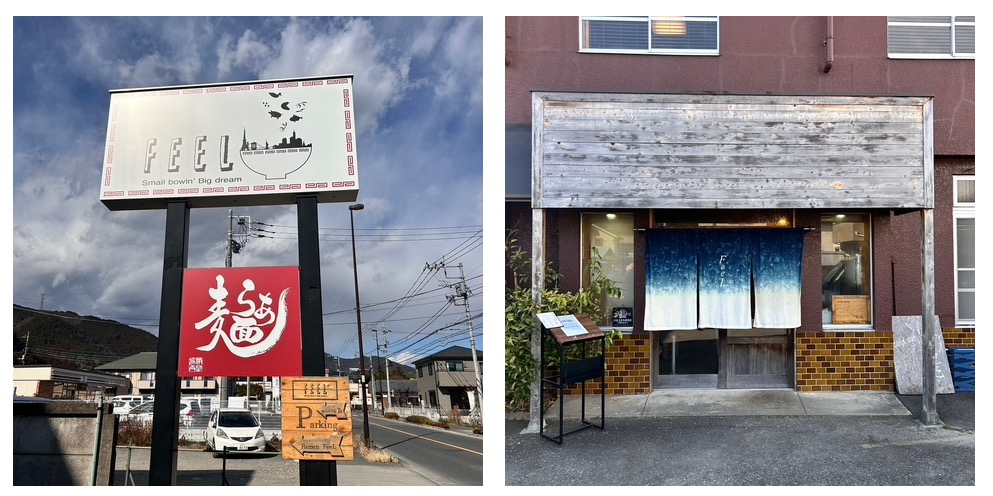
My reservation was at 11:30. I arrived on the 11:09 train to Ome Station, and a local friend accompanied me in his car.
The ramen was served in soy sauce and salt, with variations on each topping. And then there was tsukemen. To avoid crowds at closing time, there was a limit of two bowls per meal. It was as if they sensed my desire to try soy sauce, salt, and tsukemen! I had already decided from the start that I would try the salt version, my favorite. All that was left was whether to get soy sauce or tsukemen. I was undecided until I got there. In fact, I was still undecided after I got there. In the end, I decided on the “Special Salt Ramen (2,320 yen) + Soy Sauce Ramen with Dashi (1,050 yen) + Chashu Dish (1,100 yen).”
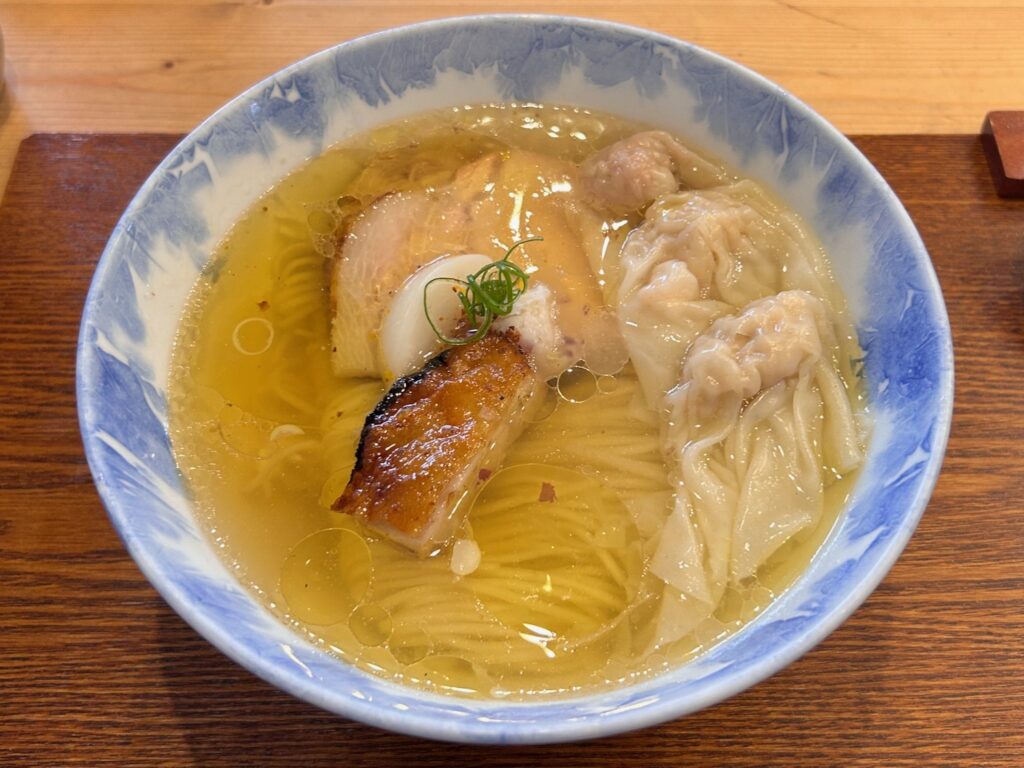
The homemade noodles are smooth, supple, and thin and straight. Those who like firm noodles might have mixed opinions, but I had no problem with them. The sensation of the noodles absorbing the soup and sliding down my throat is indescribable. The translucent clear broth is perfectly balanced with chicken and seafood, and is rich in dashi, making it truly delicious. The use of condiments and oil is excellent. The chicken chashu skin is crispy and delicious. The wontons are also excellent.
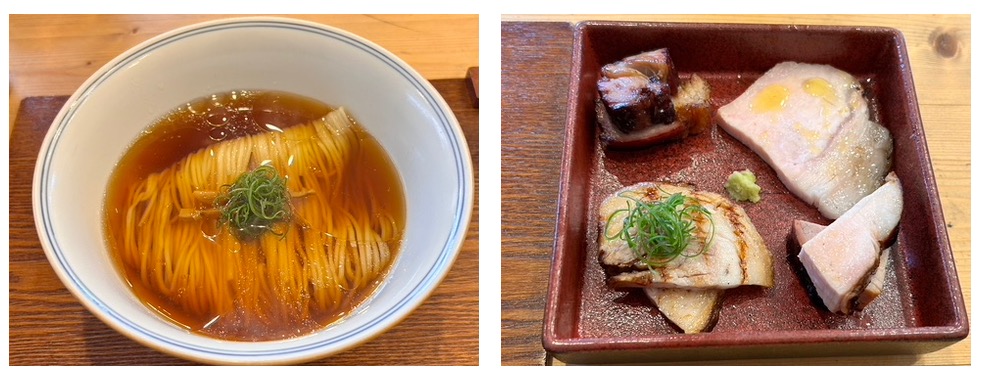
For the soy sauce flavor, I chose the kakeramen(simple ingredients-less ramen) and ordered the chashu dish separately. First, I ordered ramen. Even though I’d said, “I love the salt ramen here,” the soy sauce was just as good! Wow, I’m blown away. They’ve really evolved. Even without any toppings, the broth is incredibly powerful, so I was completely satisfied. They use different noodles for the salt and soy sauce. The soy sauce version is a little thicker (though still thin). And all four types of chashu on the chashu dish were incredibly delicious. They were served warm, but warming them up a little more in the soup made them irresistible. The fat from the chashu flowed into the soup, and the flavor changed later, which was also enjoyable.
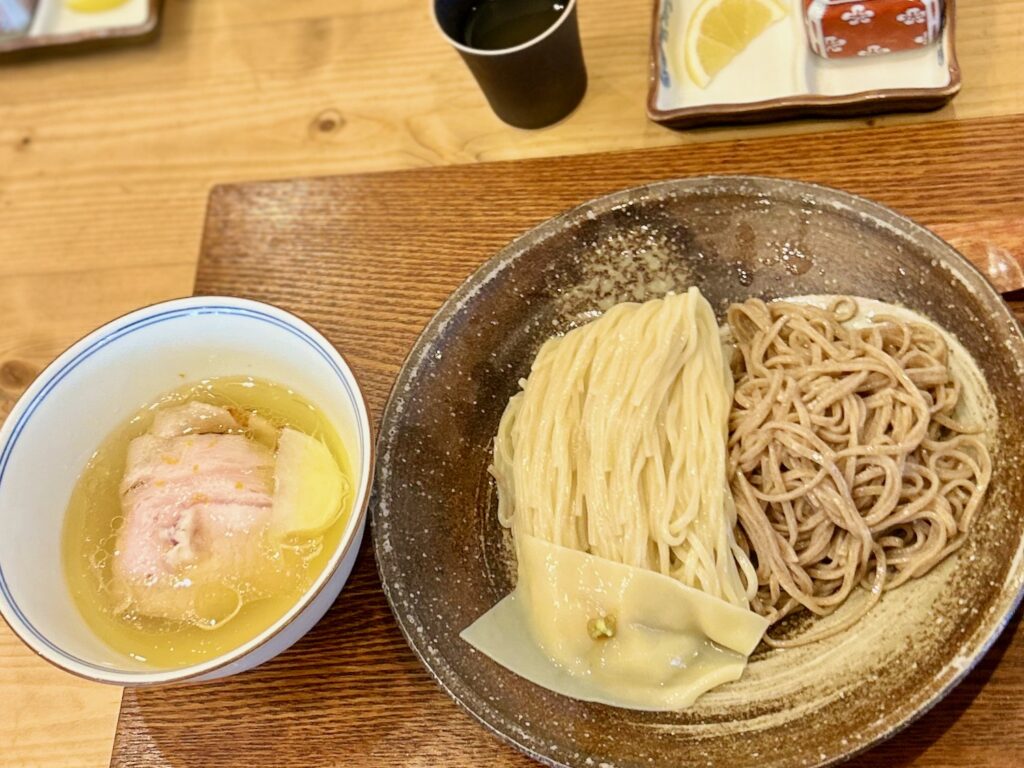
I’ve had tsukemen several times before, so I gave up on it this time, but this tsukemen was delicious.
So, why did such a delicious, famous restaurant close down?
His grand ambition is to “leave ramen for a while, work in a different industry (other food and beverage), gain more knowledge and experience, and then return to ramen.” That’s so cool. He serves such delicious ramen, so what else does he want to learn? Is it something you can’t learn on a closed day?
With many thoughts crossing my mind, I finished both bowls, not leaving a single drop behind.
TableCheck reservations seem to be selling out in seconds, so I think this will be my last time. (Although I would love to try tsukemen,) I’m looking forward to seeing what style and taste the ramen will have when it returns.
“Ramen FeeL” (Ome City, Tokyo/Hinata-Wada Sta.)
Official Information
4-695-1 Umego, Ome City, Tokyo 198-0063
Autor of this article
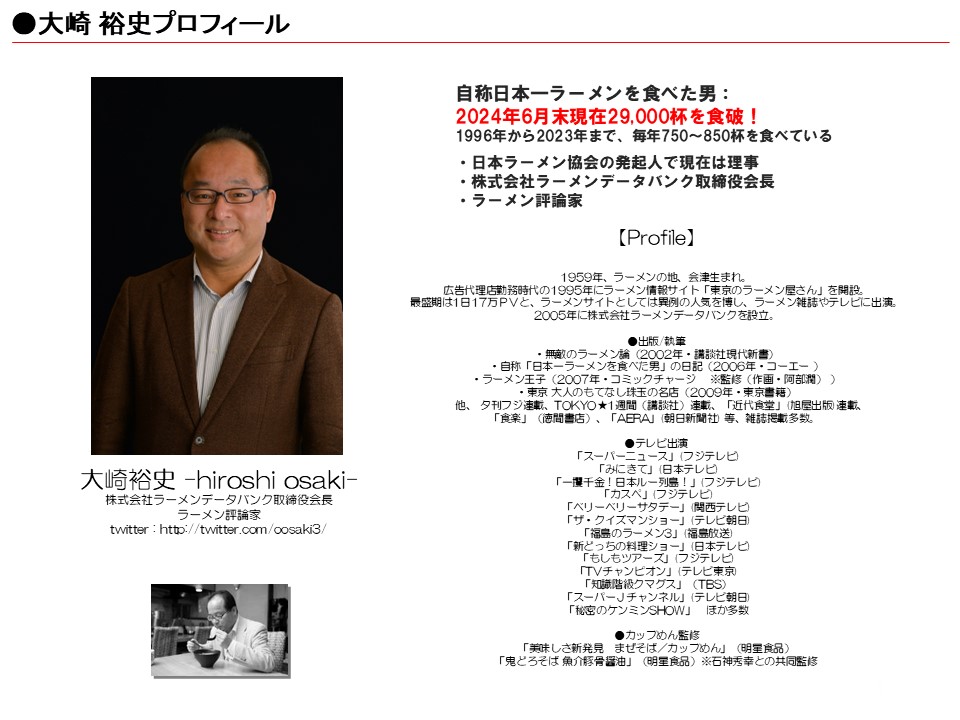
■Hiroshi Osaki (大崎 裕史); Chairman of the Board of Directors of Ramen Databank Co., Ltd. One of the founders of the Japan Ramen Association. Executive Committee Chairman of the Tokyo Ramen Festa. Born in 1959 in Aizu, the land of ramen. While working at an advertising agency, he launched the ramen information site “Tokyo Ramen Shops” in 1995. Founded Ramen Databank Co., Ltd. in 2005. Became chairman of the board of directors in 2011. He has appeared in many magazines and on television as “the man who calls himself the man who has eaten the most ramen in Japan” (as of the end of June 2024, he has eaten about 14,000 ramen shops and about 29,000 bowls). His books include “Muteki no Ramenron” (The Invincible Ramen Theory) (Kodansha Shinsho) and “Nihon Ramen Hishi(Japan Ramen Hidden Story)” (Nihon Keizai Shimbun Publishing).